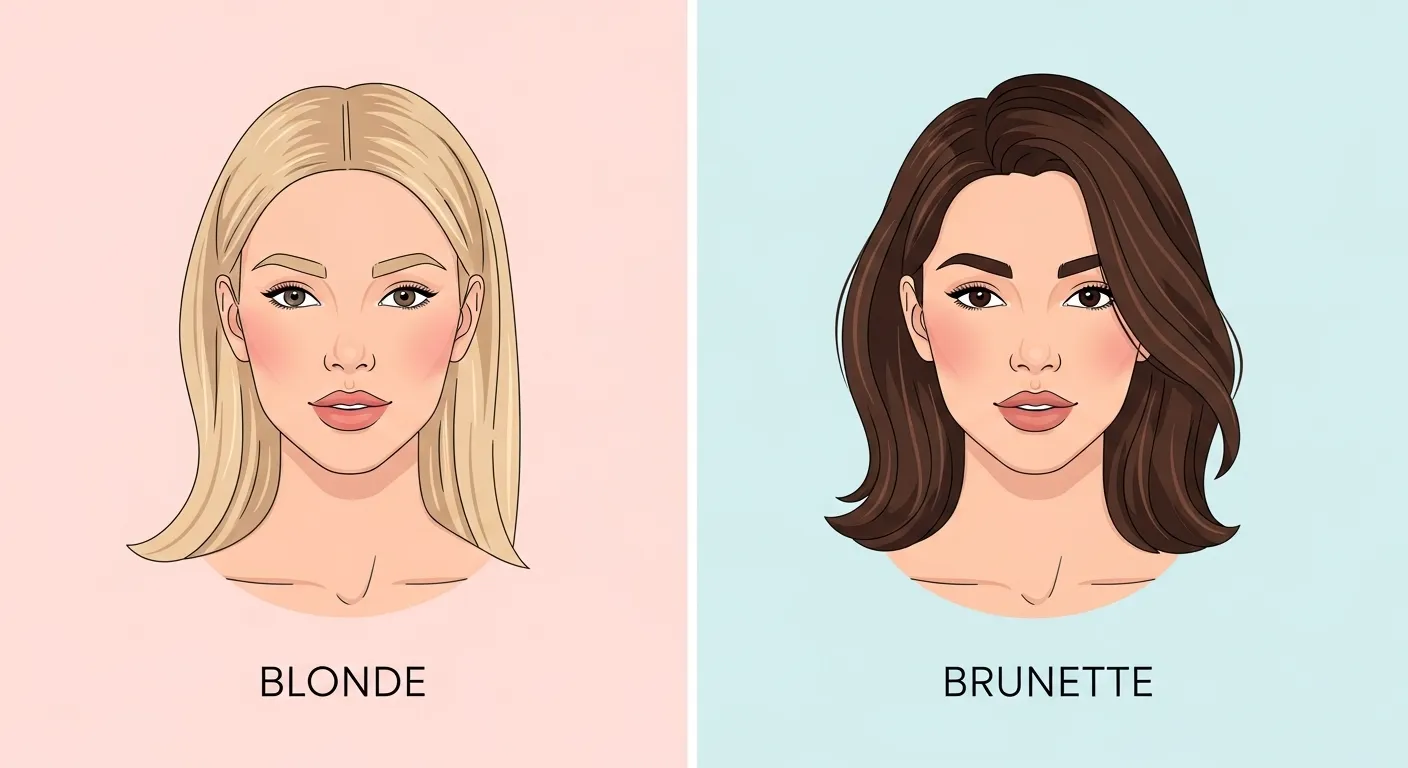
“Blonde” refers to light hair, while “brunette” refers to dark brown hair. 😊
Have you ever wondered whether to say blonde or brunette? Many people search for “blonde or brunette” because both words describe hair color, but they are not the same. The confusion often comes from fashion, movies, and social media, where these terms are used a lot but not always correctly.
A blonde is a person with light yellow or golden hair, while a brunette is someone with brown or dark hair. Simple, right? But things get tricky when we talk about spelling, gender, and correct usage in different types of writing. For example, should you write blond or blonde? And is brunette only for women?
This article will make everything clear in easy words. You will learn the meaning, origin, spelling rules, common mistakes, and real-life examples of blonde and brunette. By the end, you will know exactly which word to use and when whether you’re writing, speaking, or posting online.
Blonde or Brunette – Quick Answer
Blonde and brunette describe different hair colors.
- Blonde = Light yellow or golden hair
👉 Example: She has long blonde hair. - Brunette = Brown or dark hair
👉 Example: He is a brunette with short hair.
✔️ Simple rule:
- Use blonde for light hair
- Use brunette for brown/dark hair
The Origin of Blonde or Brunette
Both words come from French, which is why they look a bit different.
Blonde
- From French blond/blonde
- Meaning: light-colored hair
- In French:
- Blond = male
- Blonde = female
Brunette
- From French brun (brown)
- Brunette = “little brown-haired woman”
- Originally used mostly for women
Why the Confusion Exists
- English borrowed these words from French
- French uses gender-based spelling
- English sometimes keeps or ignores these rules
✔️ That’s why you see blond/blonde and brunette used differently.
British English vs American English Spelling
There are small differences in usage, especially with blond vs blonde.
| Feature | British English | American English |
| Male form | Blond | Blond |
| Female form | Blonde | Blonde |
| Common usage | Blonde (for all) | Blonde (more common) |
| Brunette | Same | Same |
Key Notes
- Blonde is often used for women
- Blond can be used for men
- Brunette is mostly used for women, but sometimes for men too
👉 Example:
- She is blonde.
- He is blond.
Which Spelling Should You Use?
Your choice depends on context and audience.
Use “Blonde” if:
- You describe a female
- Writing casually or globally
👉 Example: The blonde actress smiled.
Use “Blond” if:
- You describe a male (optional rule)
👉 Example: He is a tall blond man.
Use “Brunette” if:
- You describe someone with brown hair
- Common for women
👉 Example: The brunette walked into the room.
Audience-Based Advice
- US audience: Flexible usage
- UK/Commonwealth: Similar usage
- Global writing: Use blonde and brunette for simplicity
✔️ Keep it simple and clear.
Common Mistakes with Blonde or Brunette
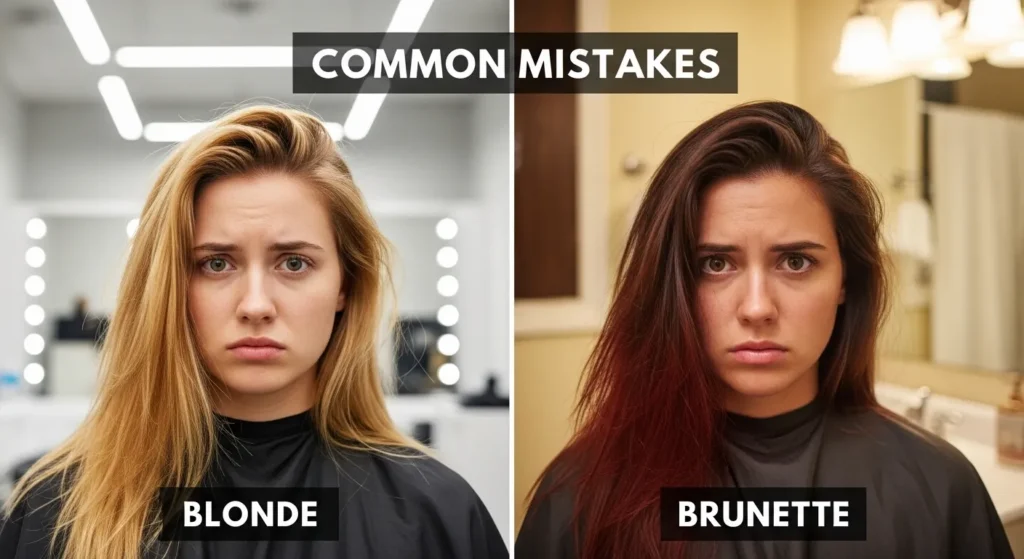
❌ Mistake 1: Using them as the same
- Wrong: She is a blonde brunette
- Correct: Choose one based on hair color
❌ Mistake 2: Spelling errors
- Wrong: brunet ❌
- Correct: brunette ✔️
❌ Mistake 3: Gender confusion
- Not wrong, but be aware:
- Blonde often = female
- Blond often = male
❌ Mistake 4: Using “brunette” for all
Sometimes brown-haired is better in formal writing.
Blonde or Brunette in Everyday Examples
Emails
- We are looking for a blonde model.
- The brunette candidate has experience.
News
- The blonde actress won an award.
- A brunette suspect was seen leaving.
Social Media
- Blonde vibes 💛
- Brunette energy 🤎
Formal Writing
- The subject has blonde hair.
- The individual is a brunette.
Blonde or Brunette – Google Trends & Usage Data
Search trends show clear patterns:
Popularity by Region
- United States: Both widely searched
- United Kingdom: Similar usage
- Global: “Blonde” slightly more popular
Context-Based Usage
- Fashion & beauty: Both very common
- Media & movies: Frequently used
- Professional writing: Less common (use “hair color”)
Trend Insight
- “Blonde” is searched more due to beauty trends
- “Brunette” is popular in lifestyle content
✔️ Both are widely recognized words.
Comparison Table: Blonde vs Brunette
| Feature | Blonde | Brunette |
| Hair Color | Light / yellow | Brown / dark |
| Origin | French | French |
| Gender Use | Male/Female | Mostly female |
| Popularity | Higher | Slightly lower |
| Example | Blonde hair | Brunette hair |
FAQs
1. What is the difference between blonde and brunette?
Blonde is light hair, while brunette is brown or dark hair.
2. Can a man be called blonde?
Yes. You can use blond or blonde, but blond is more traditional.
3. Is brunette only for women?
Mostly yes, but it can be used for men informally.
4. Which word is more common?
Blonde is more commonly used worldwide.
5. Is “blond” wrong?
No. It is correct, especially for males.
6. Should I use these words in formal writing?
You can, but “light-haired” or “brown-haired” is more formal.
7. Why do these words sound French?
Because they come from the French language.
Conclusion
The difference between blonde and brunette is simple but useful to understand. A blonde refers to someone with light, golden hair, while a brunette describes a person with brown or dark hair. These words come from French, which is why they have unique spellings and sometimes follow gender rules.
In modern English, both words are widely used in casual conversation, fashion, and media. While blond can be used for men and blonde for women, many people today use blonde for everyone. Similarly, brunette is mostly used for women but can be used more loosely in informal settings.
There is no major difference between British and American English for these terms, which makes them easier to use globally. The key is to focus on clarity and context. In formal writing, simpler phrases like “brown-haired” or “light-haired” may be better.
By understanding these small differences, you can use the right word with confidence and improve your communication in both writing and speech.
Read more about!
And vs & Symbol:How to Use It Correctly