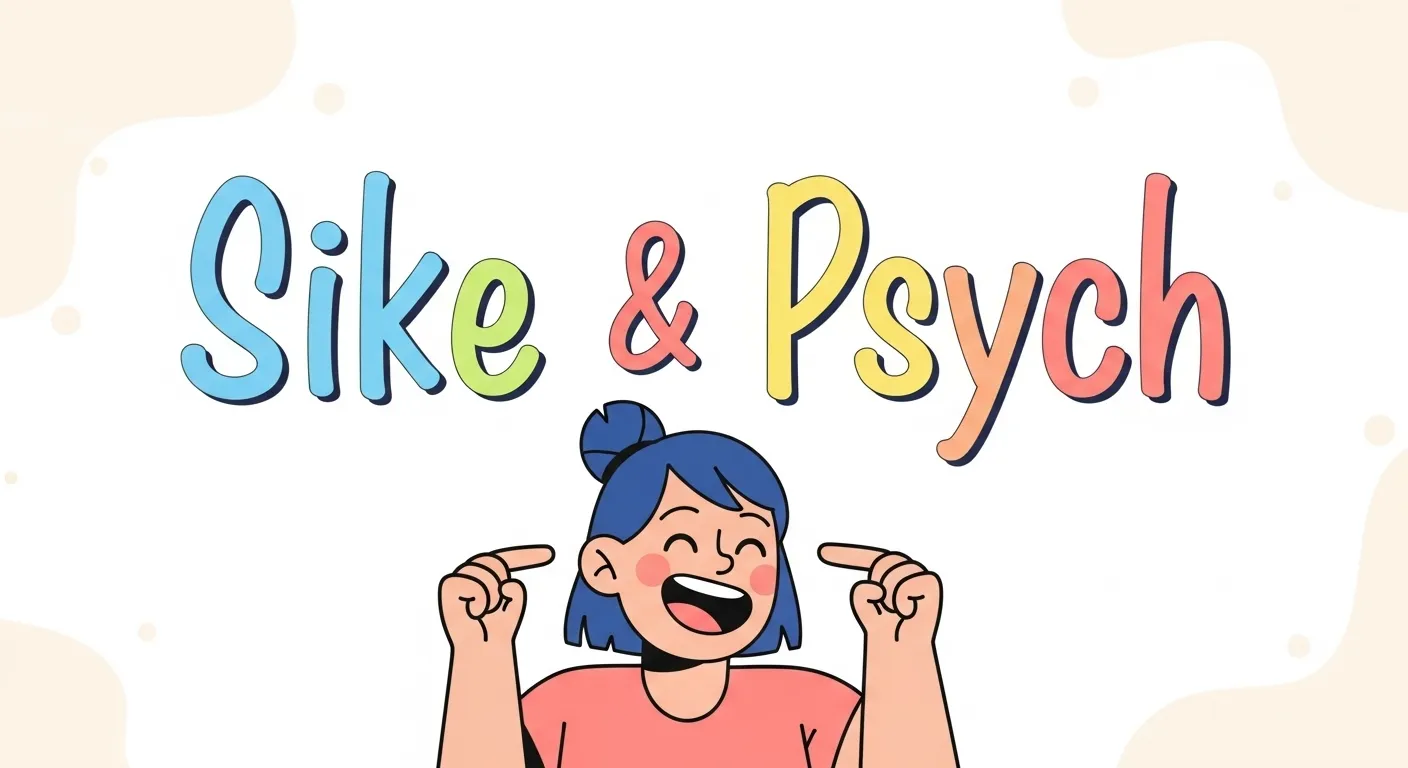
Both “sike” and “psych” are used as slang to indicate joking or tricking someone, but “psych” is more standard.
Have you ever seen someone write “sike!” after a joke or prank and wondered if it’s correct? Or maybe you’ve seen “psych!” and felt confused about which one to use. You’re not alone.
The keyword “sike or psych” is widely searched because both words sound the same but have different origins and levels of correctness.
This confusion usually happens in casual conversations, social media posts, and text messages. Many people use “sike” because it looks simple and matches how the word sounds. However, others prefer “psych”, which is the original and correct spelling. So which one should you use?
In this article, we will explain the difference in a clear and simple way. You’ll learn the meaning, origin, correct usage, and common mistakes. Whether you are writing for fun or professionally, this guide will help you choose the right word with confidence.
Sike or Psych – Quick Answer
“Psych” is the correct spelling.
“Sike” is an informal slang variation.
Examples:
- ✅ Just kidding, psych!
- ❌ Just kidding, sike! (informal but common)
- ✅ You thought I forgot? Psych!
👉 Simple Rule:
- Use psych in correct English
- Use sike only in casual or playful writing
The Origin of Sike or Psych
The word “psych” comes from psychology, which relates to the mind. In slang, it means to trick or fool someone mentally.
History:
- The term became popular in the 1970s–1990s, especially in American slang
- People used “psych!” after fooling someone
- It meant: “Got you!” or “Just kidding!”
Where “Sike” Came From:
- “Sike” is a phonetic spelling (based on sound)
- It became popular online and in texting
- It is not considered standard English
Why the Confusion Exists:
- Both words sound the same
- Social media spreads informal spelling
- Many people don’t know the original form
British English vs American English Spelling
Unlike many words, there is no major difference between British and American English here.
Key Point:
- Psych is correct in both UK and US
- Sike is informal everywhere
Comparison Table:
| Usage Type | British English | American English | Example |
| Correct Form | Psych | Psych | I tricked you, psych! |
| Informal Slang | Sike | Sike | Sike! Just joking |
| Formal Writing | Psych | Psych | He said “psych” jokingly |
👉 Both English styles agree: “psych” is standard.
Which Spelling Should You Use?
Your choice depends on your audience and purpose.
Use “Psych” when:
- Writing professionally
- Sending emails
- Writing articles or blogs
- Speaking in formal settings
Use “Sike” when:
- Chatting with friends
- Posting on social media
- Making jokes casually
Audience-Based Advice:
- 🇺🇸 US → Prefer psych (common in slang but still correct)
- 🇬🇧 UK → Use psych for clarity
- 🌍 Global → Always safer to use psych
👉 Best Tip: If you are unsure, always choose psych.
Common Mistakes with Sike or Psych
Here are common errors people make:
❌ Wrong vs ✅ Correct:
- ❌ That was a joke, sike!
✅ That was a joke, psych! - ❌ I totally forgot… sike!
✅ I totally forgot… psych! - ❌ Using psych in formal reports incorrectly
✅ Avoid slang in formal writing - ❌ Thinking sike is correct English
✅ It is only informal slang
👉 Big Mistake:
Believing both spellings are equal—they are not.
Sike or Psych in Everyday Examples
📧 Emails:
- I almost sent the wrong file—psych! Just kidding.
📰 News:
- Rarely used, but may appear in quotes:
- He joked, “psych!” after surprising fans.
📱 Social Media:
- You thought I was serious? sike 😂
- Got you! psych! 😆
📝 Formal Writing:
- Usually avoided
- Better to say: just kidding instead of slang
Sike or Psych – Google Trends & Usage Data
Search data shows strong interest in this keyword across:
- 🇺🇸 United States
- 🇬🇧 United Kingdom
- 🇮🇳 India
- 🇵🇰 Pakistan
Trends Insight:
- “Sike” is popular on social media
- “Psych” is preferred in dictionaries and formal writing
Why People Search This:
- Confusion in spelling
- Want to sound correct
- Learning English slang
👉 Usage Insight:
- Younger users → prefer sike
- Writers/professionals → use psych
Comparison Table (Quick View)
| Word | Type | Correctness | Usage Context | Example |
| Psych | Standard | ✅ Correct | Formal + Informal | Psych! I tricked you |
| Sike | Slang | ⚠️ Informal | Casual only | Sike! Just kidding |
| Psyche | Different word | ❌ Not same meaning | Psychology context | Human psyche |
FAQs
1. Is it sike or psych correct?
Psych is correct. Sike is informal slang.
2. Why do people say “sike”?
Because it sounds like “psych” and is easier to spell.
3. Can I use “sike” in formal writing?
No. Use psych or avoid slang completely.
4. What does “psych” mean in slang?
It means just kidding or I tricked you.
5. Is “psych” related to psychology?
Yes. It comes from the word psychology, meaning mind.
6. Which is more popular today?
“Sike” is popular online, but “psych” is correct.
7. Should I avoid both in professional writing?
Yes. Use clear phrases like just kidding.
Conclusion
The difference between “sike” and “psych” is simple but important. While both sound the same, only “psych” is considered correct in standard English. It comes from the idea of tricking someone mentally, which is why it is used after jokes or pranks. On the other hand, “sike” is just a modern, informal spelling that became popular through texting and social media.
If you want your writing to be clear and professional, it is always safer to use “psych”. This is especially important in emails, articles, and formal communication. However, if you are chatting casually with friends, using “sike” is acceptable, though still not technically correct.
There is no difference between British and American English in this case, which makes it easier to remember. Just focus on the context and audience. When in doubt, avoid slang and use simple phrases like just kidding.
👉 Final tip:
Psych = correct and safe
Sike = casual and informal
Master this small detail, and your English will sound more accurate and confident.
Read more about!
Lies or Lays 🤔 – Which Word Is Correct and When to Use It?