English spelling can sometimes be confusing, especially when two versions of a word look correct. A common example is “usable” or “useable.” Many writers, students, and professionals search online to find out which spelling is right.
Both words seem logical because they come from the base word “use.” However, only one form is commonly preferred in modern English.
The confusion happens because English often forms adjectives by adding “-able” to verbs. When the verb ends with “e,” writers may wonder whether to keep the letter e or drop it before adding the suffix. This is exactly the issue with usable and useable.
In everyday writing emails, articles, academic papers, and business communication choosing the correct spelling helps your writing look professional and clear.
Using the wrong version might not always be a major error, but it can make your writing appear less polished.
In this guide, we will explain the difference between usable and useable, their history, spelling rules, real-life examples, common mistakes, and global usage trends.
By the end, you will clearly understand which spelling to use and why “usable” is usually the preferred form in modern English.
Usable or Useable – Quick Answer
The quick answer is simple:
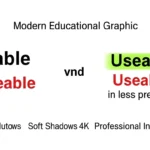
- Usable is the preferred and most common spelling in modern English.
- Useable is also technically correct but rarely used today.
Both words mean “something that can be used.”
Examples
Correct and common usage:
- The old laptop is still usable.
- This data is usable for research.
- The software is simple and usable.
Less common spelling:
- The old laptop is still useable.
Most style guides and dictionaries recommend usable.
Quick Comparison
| Word | Meaning | Usage |
| Usable | Something that can be used | Preferred |
| Useable | Same meaning | Rare |
So the safest choice in modern writing is usable.
The Origin of Usable or Useable
To understand why two spellings exist, we need to look at the word’s history.
The base word “use” comes from the Old French word “user.” This word meant to employ or make use of something. It entered the English language during the Middle Ages.
Later, English created adjectives by adding the suffix “-able.” This suffix means “capable of being.”
Examples:
- Read → Readable
- Wash → Washable
- Use → Usable
However, when the base word ends with “e,” writers sometimes debate whether to keep the letter.
That is why two spellings appeared:
- Usable (dropping the extra “e”)
- Useable (keeping the “e”)
Over time, language experts and style guides began favoring usable because it is shorter and easier to read.
British English vs American English Spelling
Many English words have different spellings in British and American English. For example:
| American | British |
| color | colour |
| center | centre |
| organize | organise |
However, usable and useable are not regional spelling differences.
Both British and American English prefer “usable.”
Examples
American English:
- The tool is still usable.
British English:
- The equipment remains usable.
Comparison Table
| Feature | Usable | Useable |
| American English | Preferred | Rare |
| British English | Preferred | Rare |
| Dictionary acceptance | Yes | Yes |
| Modern usage | Very common | Uncommon |
This means usable is the standard spelling worldwide.
Which Spelling Should You Use?
Choosing the right spelling depends on your audience and writing style.
For American Readers
Use usable.
Example:
- The website design is simple and usable.
For British Readers
Also use usable.
Example:
- The software interface is very usable.
For Global Communication
If you write for an international audience blogs, academic papers, or business reports usable is the best choice.
It is the most recognized spelling worldwide.
Practical Advice
Always choose:
Usable
Avoid using useable unless you have a specific stylistic reason.
Common Mistakes with Usable or Useable
Even though the rule is simple, writers still make mistakes.
Mistake 1: Thinking Both Are Equally Common
Incorrect belief:
- Both spellings are equally popular.
Reality:
- Usable is far more common.
Mistake 2: Following Incorrect Spelling Patterns
Some writers keep the “e” because the base word ends with “use.”
Example mistake:
- This equipment is still useable.
Better version:
- This equipment is still usable.
Mistake 3: Inconsistent Writing
Using both spellings in the same article can confuse readers.
Example:
- The tool is usable.
- The system is useable.
Always choose one spelling preferably usable.
Mistake 4: Autocorrect Confusion
Some older software may suggest useable, but modern dictionaries recommend usable.
Usable or Useable in Everyday Examples
Let’s see how the word usable appears in real communication.
Emails
- The file you sent is usable for the report.
- The older version of the software is still usable.
News
- Engineers repaired the bridge so it became usable again.
- The recovered data is usable for analysis.
Social Media
- My phone screen is cracked but still usable.
- This app is simple and very usable.
Formal Writing
- The survey produced usable data for the study.
- The equipment remained usable after maintenance.
In almost all cases, writers choose usable.
Usable or Useable – Google Trends & Usage Data
Search data clearly shows that usable is much more popular than useable.
Search Frequency
| Word | Popularity |
| Usable | Very high |
| Useable | Low |
Search Intent
People often search:
- usable meaning
- usable vs useable
- which spelling is correct
This shows that many writers want to confirm the correct spelling.
Regional Usage
| Country | Preferred Word |
| United States | Usable |
| United Kingdom | Usable |
| Canada | Usable |
| Australia | Usable |
Across the internet, usable dominates modern writing.
Comparison Table: Usable vs Useable
| Feature | Usable | Useable |
| Meaning | Able to be used | Same meaning |
| Usage frequency | Very common | Rare |
| Dictionary recognition | Yes | Yes |
| Preferred spelling | Yes | No |
| Professional writing | Recommended | Not recommended |
FAQs
1. Is “useable” incorrect?
No. It is technically correct, but it is rare and outdated in modern writing.
2. Which spelling is more common?
Usable is much more common.
3. Do British and American English differ here?
No. Both prefer usable.
4. Why do two spellings exist?
They exist because writers debated whether to keep or remove the final “e” when adding “-able.”
5. Which spelling should students use?
Students should use usable because it is the standard modern form.
6. Is “usable” used in professional writing?
Yes. It appears frequently in academic papers, business reports, and technical writing.
7. Can I ever use “useable”?
You can, but most style guides recommend avoiding it.
Conclusion
The difference between usable and useable is mainly about spelling preference rather than meaning. Both words mean “something that can be used,” and both appear in dictionaries. However, modern English strongly favors the spelling usable.
The shorter spelling became popular because it is simpler, clearer, and easier to read. As language evolved, writers, editors, and style guides gradually adopted usable as the standard form. Today, it is the version used in academic writing, professional communication, journalism, and online content.
Although useable still exists and is technically correct, it appears far less often in modern writing. Many readers may even see it as outdated or inconsistent.
For this reason, the best advice is simple: use “usable” in almost all situations. Whether you are writing emails, reports, articles, or blog posts, choosing the preferred spelling helps make your writing clearer and more professional.
By remembering this small but important detail, you can avoid spelling confusion and communicate your ideas more effectively.
Read more about!
Weary or Wary: What’s the Difference? 🤔📚
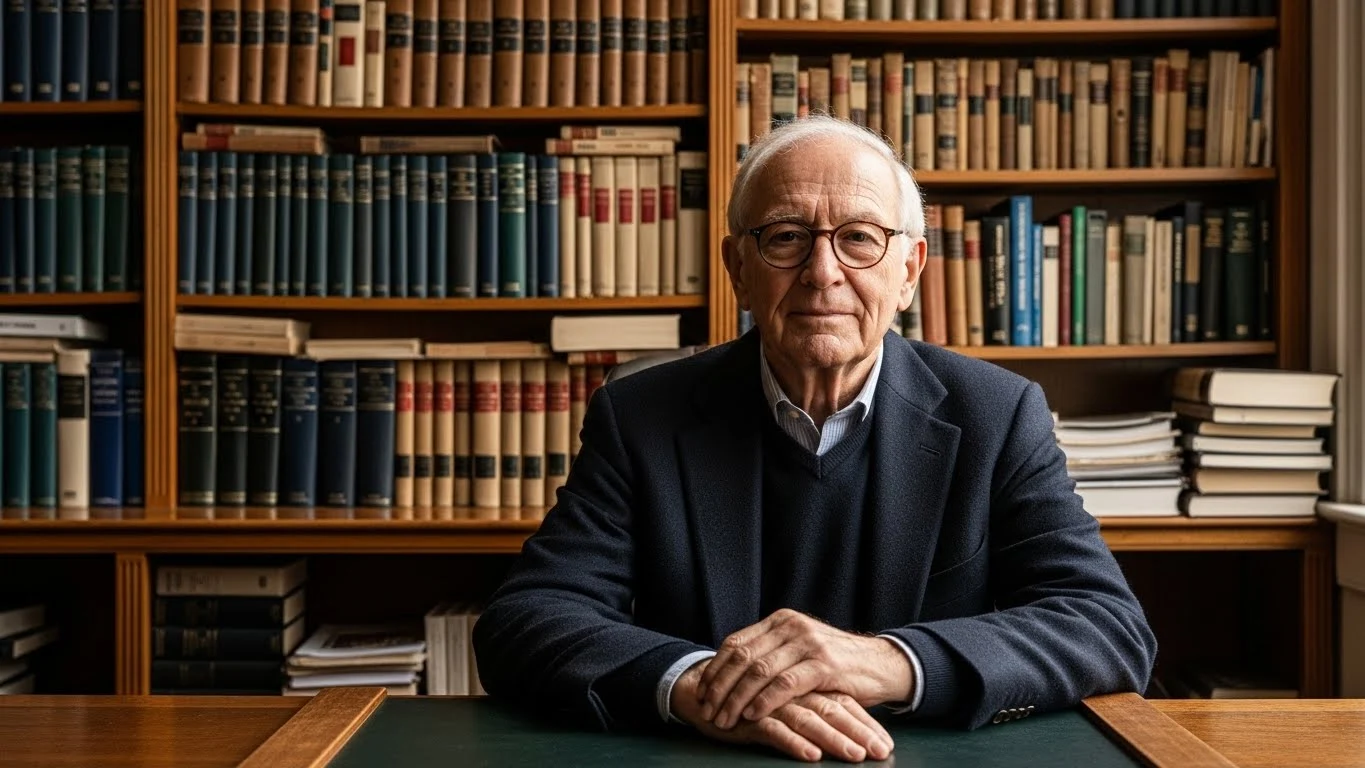
My name is Noam Chomsky. I am a linguist, philosopher, and political thinker. I am best known for my work in English grammar and linguistics, especially for developing generative grammar.I studied at the University of Pennsylvania, where I earned my PhD in linguistics. Later, I joined the Massachusetts Institute of Technology (MIT) and taught there for many years. My book “Syntactic Structures” changed the way people understand language and grammar.